Author: Rajan Parajuli

  • 13th Annual General Meeting Reaffirms Commitment to Telemedicine and Digital Health in Nepal

    13th Annual General Meeting Reaffirms Commitment to Telemedicine and Digital Health in Nepal

    The Telemedicine Society of Nepal (TMSoN) successfully held its 13th Annual General Meeting (AGM) on 15 September 2025 at Hotel City Gaon, Bachamari, Jagati, Bhaktapur.

    The meeting opened with welcome remarks from Chairperson Dr. Udaya Koirala, who extended warm greetings to all members and guests. In his address, Dr. Koirala reflected on TMSoN’s milestones over the past year and emphasized the Society’s continued commitment to expanding telemedicine and digital health services across Nepal.

    The AGM was attended by 40 participants, including special guests, founding and executive committee members, general members, and staff. Mr. Pavan Singh Shakya, Vice Chairperson, served as the Master of Ceremonies for the program.

    During the first session, Dr. Rajan Parajuli, General Secretary, presented the Annual Progress Report, outlining TMSoN’s major activities and achievements over the past year. He highlighted TMSoN’s key policy contribution to the drafting of the Integrated Electronic Medical Record (EMR) System Operation and Management Directive 2081, developed in close collaboration with the Curative Service Division, Department of Health Services. The directive introduces significant provisions for integrating EMR and telemedicine services nationwide.

    Dr. Parajuli also shared updates on TMSoN’s field-level telemedicine initiatives, including ongoing support for telemedicine operations in Uttargaya Rural Municipality in partnership with Kathmandu Model Hospital, which has provided specialist care to more than 1,200 patients and successfully managed several acute cases remotely. He further noted the expansion of telemedicine to Dolpa District through a tripartite agreement among Dolpo Buddha Rural Municipality, TMSoN, and Vision Dolpa, connecting two remote health posts via digital health services.

    Institutionally, TMSoN has strengthened partnerships with leading healthcare organizations, including the Kathmandu Institute of Child Health (KIOCH)—where TMSoN will serve as the national Telemedicine and Digital Health Partner—and a tripartite agreement with Keystone Hospital, Sindhupalchok, and Dr. Iwamura Memorial Hospital for telemedicine activities.

    Dr. Parajuli also reported membership growth, noting 23 new individual members (12 from the health sector and 11 from technical backgrounds), bringing total general membership to 39. Two new institutional members—ICT4D and B.P. Eye Foundation—joined TMSoN, while Mavorion Systems is being granted affiliate membership.

    He concluded by sharing the Society’s plans for the coming fiscal year (2082/83), including expanding telemedicine services across urban and rural regions, launching collaborative research on telemedicine effectiveness with NHRC and Kathmandu University, developing an online learning platform on telemedicine and digital health, organizing the 4th National Telemedicine Conference (Magh 9–10, 2082 / 23–24 January 2026), and contributing to the establishment of a Digital Health Resource Centre in coordination with the government and stakeholders.

    Likewise, Ms. Gyanu Maharjan, Acting Treasurer (Kayam Mukayam), presented the Annual Financial Report, summarizing TMSoN’s financial performance and stability. Members acknowledged the importance of expanding the Society’s activities to further strengthen its financial sustainability and long-term growth.

    After the regular annual meeting agendas, and a before a brainstorming session,  Dr. Sanjeev Upreti, a general member, delivered an insightful presentation on the role of AI in telemedicine and digital health practices.
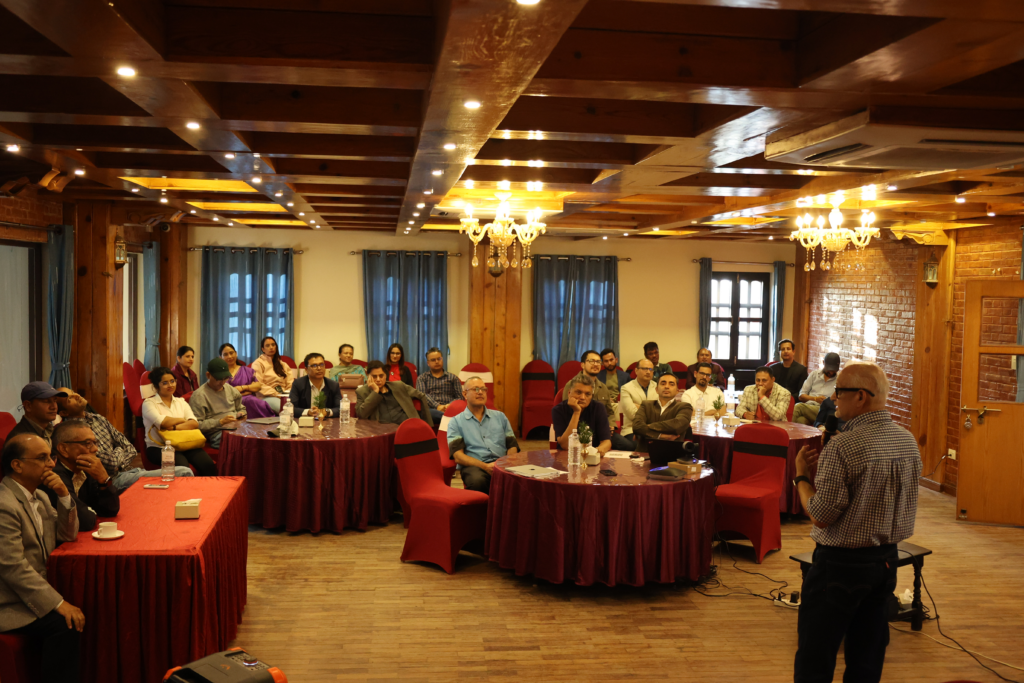
    A brainstorming session was organized as an open discussion for strengthening TMSoN’s activities and future directions. Members shared their views on achievements, challenges, and strategies for improving TMSoN’s impact and outreach.

    The meeting concluded on a high note, with renewed enthusiasm to advance TMSoN’s mission. TMSoN extends sincere thanks to all guests and members for their active participation and continued support.
  • TMSoN and NREN Welcomed Students of Health Informatics from Kathmandu University

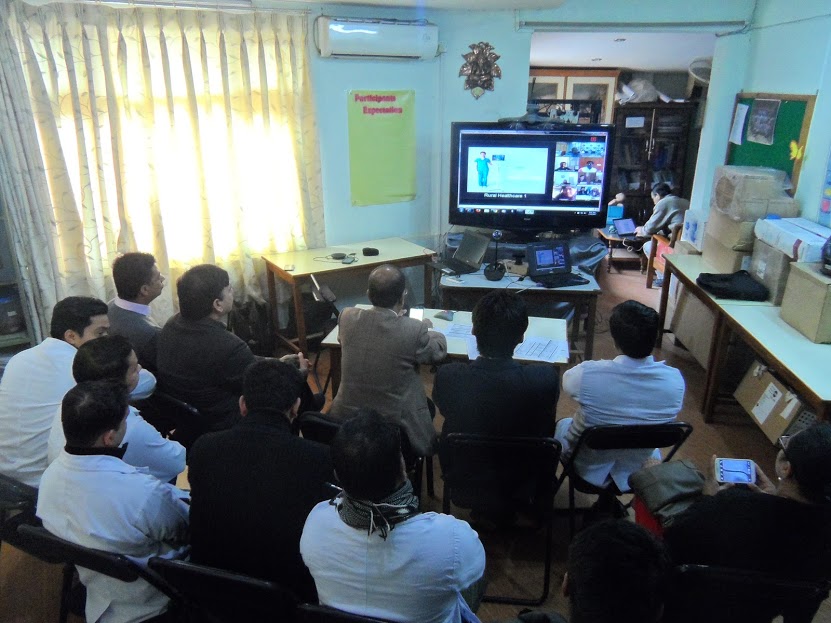
    TMSoN has been actively supporting Kathmandu University in the implementation of a telemedicine course in the Master’s program for Health Informatics. Demonstrating our commitment, TMSoN enthusiastically received the inaugural batch of students at its office, co-located with NREN.

    In the day long program, Dr. Rajan Parajuli, TMSON’s General Secretary and the Executive Director of NREN, shared his valuable insights during the program, focusing on the intersection of Gender, Technology, and Health. His session emphasized the importance of considering social and human dimensions when providing telemedicine and digital health services. Following his presentation, Mr. Abhimanyu Pandey facilitated a hands-on experience with telemedicine peripheral devices.

    Dr. Udaya Koirala, Chairperson of the Telemedicine Society, also facilitated the session, shedding light on the intricate nature of telemedicine service delivery. Dr. Koirala highlighted the interconnected factors essential for the successful implementation of telemedicine services. This collaborative effort between TMSoN, Kathmandu University, and NREN underscores the commitment to shaping a well-rounded and informed generation of professionals in the dynamic field of telemedicine.

  • Telemedicine Society of Nepal is invited to Join Technical Working Committee of MoHP for Digital Health Efforts

    In a significant development, the Ministry of Health and Population (MoHP) has extended an invitation to the Telemedicine Society of Nepal to be a member of the Technical Working Committee, which is mandated to drive digital health efforts at the ministry. The society has nominated Mr. Pavan Singh Shakya, Vice Chairperson, to represent in the committee.

    The Telemedicine Society expresses gratitude to the Ministry of Health and Population for the invitation, recognizing this as a testament to the society’s commitment to contributing to advancements in healthcare technology. TMSON is optimistic that the ministry’s efforts to promote digital health initiatives in the country will be significantly bolstered with the establishment of this technical committee. The society also wishes for the committee to play a pivotal role in guiding and shaping Nepal’s digital health endeavors.

  • TMSoN Contributed to host the first National Digital Health Day

    TMSON actively contributed to the organization of Nepal’s inaugural National Digital Health Day, organized by the Ministry of Health and Population on the 4th of Mangshir, 2080. Dr. Udaya Koirala, TMSON’s chairperson, participated in a panel discussion titled “Digital Health: An Imperative for UHC and Digital Health.”

    Dr. Koirala brought insightful perspectives to the forefront, emphasizing the critical importance of digital health documentation in the context of current telemedicine practices. He urged the ministry to highlight the interconnectedness of digitalization and digital health, stressing the need for comprehensive capacity building among medical professionals for the successful implementation of telemedicine services. Notably, TMSON expressed readiness to support the government in providing necessary training.

    Furthermore, Dr. Koirala emphasized the imperative of extending telemedicine services to urban areas. He urged the government to address essential policy considerations for successful implementation, particularly focusing on health insurance and reimbursement issues.

  • Event Report: 1st Day of the 16th ATS and 3rd National Telemdicine Workshop

    The workshop commenced with welcome remarks and the introduction of the workshop by Prof. Saroj Dhital, the Founder Chairperson of TMSoN and Vice President of phect-NEPAL. The opening remarks were made by Prof. Tomohiko Moriyama, the President of the Telemedicine Development Center of Asia, Japan, and Dr. Udaya Koirala, the President of the Telemedicine Society of Nepal. The inaugural session of the workshop, chaired by Dr. Saroj Dhital, Founding President of the Telemedicine Society of Nepal, and Dr. Mohammad Kashim Shah, Senior Program Manager at Nick Simons Institute, focused on telemedicine practices in various countries. Distinguished speakers included Dr. Oomen John from the Bill and Melinda Gates Foundation’s India Country Office, Dr. Prakash Poudel from the Global Telemedicine Center at Nepal National Hospital, Dr. Sanjay Yadav from Penn State Health in the USA, Dr. Pramendra Prasad Gupta from BPKIHS in Dharan, and Dr. Miguel Tanimoto from Mexico. This session underscored the vast potential of telemedicine and emphasized the need for greater cooperation and networking among telemedicine practitioners.

    The second session of the workshop focused on the role of nurses in telemedicine, chaired by Mrs. Goma Niraula and Radhika Ghimire. The session highlighted the theme of the workshop and discussed the role of nurses in telemedicine, particularly in remote areas, and emphasized the need for basic training and core competencies in this area. The session featured presentations from Gandhi Nepal of Remote Area Nurse in Australia, Kanchan Gautam of Rural Health Care in Nepal, Professor Yoko Shimpuku of Hiroshima University, Professor Fumihiko Yokota of Kyushu University, Suruchi Khadka of Suruchi Home Care, and Dr. Prabhat Adhikari of the Center for American Medical Specialists, Danphe Care. The presentations in this session discussed the provision of healthcare in remote areas, the use of smartphone apps in telemedicine, home-based nursing care through telemedicine, and Tele ICU care. In addition, it was recommended that nursing curriculum include telemedicine and tele nursing, and technological practical orientation for all nurses.

    The third session of the workshop was about sharing experiences in telemedicine which was chaired by Prof. Dr Bishnu Dutta Poudel,  president of Nepalese Association of Palliative Care, and Dr. Sanjiv Tiwari, General Secretary of Nepal Medical Association. The session discussed the technical aspects of telemedicine and shared experiences of implementing telemedicine in rural healthcare. The session also focused on geriatric telemedicine, a newer care dimension for older people. In addition, the discussion in the session was also focused on the confusion created by the various terminology which has been currently practiced for technology-based healthcare delivery.

    During the fourth session of the workshop, several distinguished members of TMSoN were honored, including Dr. Mahabir Pun, Dr. Saroj Dhital, Dr. Mingmar Sherpa, Muniraj Shakya, Dr. Pradeep Vaidya, Prof. Dr. Bishnu Dutta Poudel, Dr. Bhushan Raj Shrestha, and Mr. Lochan Lal Amatya. Dr. Udaya Koirala recognized each individual’s contribution to the advancement of Nepal’s telemedicine practices and sought their insights for its future journey. Dr. Mahabir Pun and Dr. Saroj Dhital were recognized as pioneers who encouraged the technical community to adopt video conference-based telemedicine. Dr. Mingmar Sherpa played a significant role in developing telemedicine from the government’s perspective. Muniraj Shakya, a prominent figure in science and technology, also made significant contributions to the development of telemedicine in Nepal. Additionally, Prof. Dr. Bishnu Dutta Poudel, Dr. Bhushan Raj Shrestha, Mr. Lochan Lal Amatya, and Prof. Dr. Pradeep Vaidya devoted their time and effort to the advancement of telemedicine.

    Dr. Subash Pyakurel, the Director of Health Concern Nepal and Mediflow Solution, facilitated the fifth and last session. The discussion centered on the government’s dedication to telemedicine, an examination of the present legal framework, and the pressing issues surrounding telemedicine that must be resolved to advance its activities in the nation.

    As the first person to participate in the discussion, Dr. Saroj Dhital discussed the various dimensions of e-health and telemedicine, including its potential as an earning platform and a means of reaching underserved populations. However, he noted that government regulations are not always clear, and it is important to clarify the purpose of e-health and telemedicine. He referenced a saying about the importance of offering love and nurturing the soul as a healer and urged that the same principles be applied to e-health and telemedicine. Dr. Dhital also discussed the need for standardized telemedicine practices and expressed concern about the misuse of regulations to block compassionate individuals from providing care.

    During the discussion, Dr. Mingmar emphasized the need to establish institutional memory/records, citing his retirement from government services as an example of how everything collapsed due to lack of institutionalization, which he believed was a great loss for the country. To fully harness the enormous potential of telemedicine, he recommended setting up a dedicated department under the Ministry of Health to oversee telemedicine services nationwide. Dr. Mingmar also stressed the importance of tailoring telemedicine services to the local context and ensuring sufficient budget allocation for their implementation.

    Dr. Bishnu Dutta Poudel recommended establishing a dedicated team within the Ministry to oversee telemedicine and allocate a separate budget for it. He proposed incorporating telemedicine services at the district and zonal levels. Moreover, he emphasized that telemedicine could be utilized not just for providing services but also for educational, academic, and research purposes.

    Other recommendations by various distinguished speakers included maintaining privacy and confidentiality, developing a clinical procedure manual tailored to the Nepalese demographics and disease profile, establishing a regulatory body for telemedicine, and recruiting required technical human resources including individuals with expertise in health informatics. These actions are fundamental for building a solid foundation to support the development of telemedicine.

  • Event Report: 2nd Day of the Asia Telemedicine Symposium

    The second day of the workshop focused on the sharing of experiences and knowledge on telemedicine. The session was chaired by Prof. Dr. Pradeep Vaidya, Institute of Medicine, and Mr. Pavan Shakya, ICT4D. The session started with a presentation from Dr. Aarati Shah of the Urban Health Promotion Center, who talked about the use of telemedicine in urban healthcare. This was followed by a presentation from Mr. Abhimanyu Pandey of ICT4D, who presented historical background on SDGs, the importance of data and quantification, and telemedicine approaches to addressing health issues in Nepal.

    Dr. Raju Dhakal of SIRC, Nepal presented the importance of telerehabilitation services for people with spinal cord and brain injuries. He discussed how it can improve their functional independence, mental health, and quality of life based on the findings from a study in Nepal on the use of various communication technologies to connect with patients in the community. The study found significant improvements in mobility, self-care, pain, and discomfort, as well as a positive response from participants.

    Dr Anil Suwal of Valley Health Urgent Care and Occupational Health, Dr. Suwal’s presentation discusses the history and evolution of telemedicine, highlighting the difference between telemedicine and telehealth. He emphasizes the importance of HIPAA compliance and maintaining a human touch in patient care. The presentation also touches on concerns about the safety of using the internet to transfer medical data and the use of holographic images as a potential solution to provide a more personal and comforting experience for patients.

    Er. Binod Chandra Shrestha, Deputy Director of Nepal Telecommunication Authority emphasized the significance of telecommunication infrastructure in enhancing healthcare services in rural areas of Nepal. He discussed the shortage of healthcare resources in rural regions and how telecommunication can facilitate remote diagnosis, consultation, and treatment. Additionally, he provided information on the Digital Nepal Framework, which includes healthcare as one of its core components, and provided an update on Nepal’s telecommunication infrastructure.

    Dr. Amrit Bogati, a cardiologist at Sahid Gangalal Hospital discussed the feasibility of the hub and spoke model. He observed that this approach could enable early diagnosis and management of STEMI. However, to implement this model effectively, it is crucial to have more hub hospitals, raise mass awareness, obtain government support, and ensure the availability of dedicated medical professionals for more effective interventions that help reduce the mortality and morbidity of STEMI patients in Nepal. His case study also showcased how social media platforms, such as Viber groups, helped diagnose and coordinate the treatment process for a STEMI patient.

    Kabin Malekhu of Ask Foundation shared their COVID-19 response efforts in Nepal during the second wave of the pandemic in 2021. They formed a coalition called “Covid Alliance” with other organizations, secured funding, and set up a medical hotline using SIP Line from Smarttel and getdesk software. The hotline, launched after structured training for health professionals, aimed to increase accessibility to consultations for the public during the surge in COVID-19 cases, and they made recommendations for readily available hotlines, dedicated response teams, and multisectoral collaboration.

    After the tea break, the session continued with a discussion on telemedicine engineering. The presentations included a report on international telemedicine training programs from Shintaro Ueda of Kyushu University Hospital, experience of telemedicine training program in Mongolia by Munkhzul Ochirbat of Mongolia-Japan Hospital, and technical updates in Bangladesh from Dr. Mohammad Kamruzzaman Khan of Mymensingh Medical College.

    The session also included a presentation from Mr. Satya and Mr. Mohan of the Asian Institute of Gastroenterology, technical updates in Malaysia from Mr. Zahir of the University of Malaya, and technical updates in Indonesia from Mr. Tunggul. Dr. Dimple Chopra from Punjabi University, Patiala presented on a topic that was to be determined. The session ended with a live demonstration of the 360-degree management system for an international telemedicine conference from Yukiko Hisada of Kyushu University Hospital.

    The third session of the day was chaired by Mr. Mohan Pradhan and Mr. Lochan Lal Amatya and focused on the WHO/MoPH session. Dr. Udaya Koirala presented the welcome address and the declaration, followed by a presentation from Mr. Rajendra Poudel of DoHS, IHIMS, on the roadmap for telemedicine and key considerations for developing countries. Dr. Madan K Upadhaya of MoHP presented on the readiness of the Ministry of Health and Population for telemedicine services in Nepal, and Paban Kumar Ghimire of WHO talked about the guidance and efforts of the organization for telemedicine implementation.

    The second day of the workshop was informative and provided insights into the various aspects of telemedicine. The presentations and discussions highlighted the opportunities and challenges of implementing telemedicine in Nepal and other developing countries. The sessions were interactive, and the participants had the opportunity to ask questions and share their experiences. The workshop was successful in promoting knowledge sharing and collaboration in the field of telemedicine.

    Overall, the experience-sharing session at the 16th Asia Telemedicine Symposium provided valuable insights into the state of telemedicine implementation across Asia. The focus on the role of nurses in telemedicine highlighted the importance of their contribution to the success of telemedicine programs, and the session provided an opportunity to learn from the experiences of telemedicine end-users from different countries. The symposium’s Telemedicine Workshop aimed to build on these insights and further promote the adoption and implementation of telemedicine programs across the region.

    The event was also focused on the latest advancements in digital devices and their impact on the field of telemedicine and digital health. Digital devices such as smartphones, wearables, and medical sensors have become increasingly prevalent in the healthcare industry. These devices have enabled healthcare professionals to remotely monitor and manage patients’ health, reducing the need for in-person visits and improving patient outcomes. The use of these devices has also led to the creation of vast amounts of health-related data that can be used to inform healthcare decisions and improve patient care.

    Program Schedule and Meeting Declaration can be accessed via this link.

  • TMSoN and NREN jointly hosted the first ever Asia Telemedicine Symposium in Nepal

    TMSoN and NREN jointly hosted the first ever Asia Telemedicine Symposium in Nepal

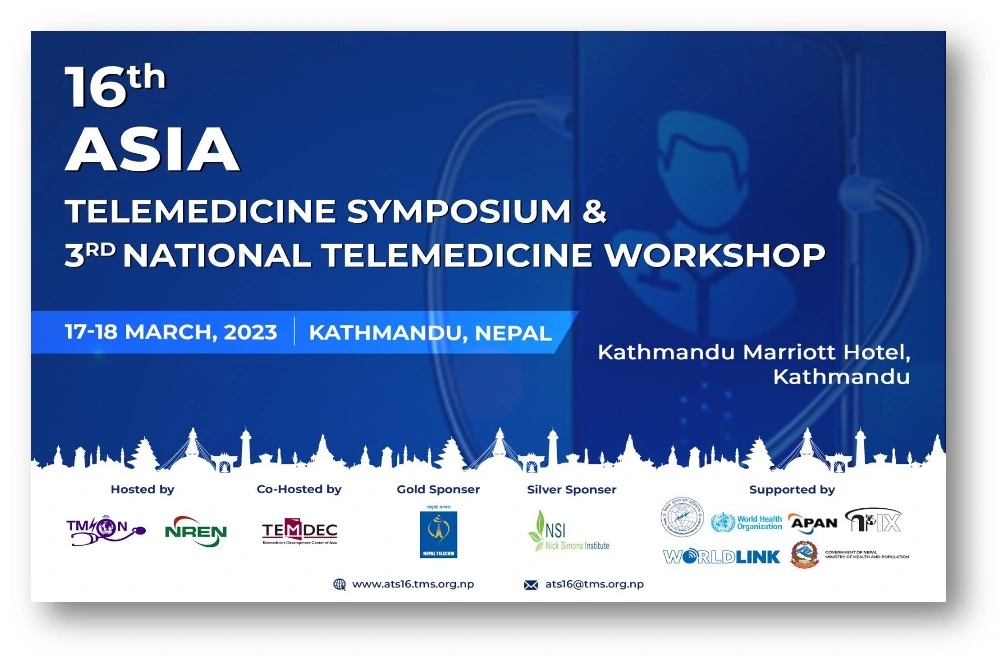
    Telemedicine Society of Nepal (TMSoN) and Nepal Research and Education Network (NREN) have jointly hosted the first-ever Asia Telemedicine Symposium (ATS) and the 3rd National Telemedicine Workshop on 17-18 March 2023 at the Kathmandu Marriott Hotel, Kathmandu, Nepal. The two-day event was held in conjunction with the 55th meeting of the Asia Pacific Advanced Network (APAN55).

    Telemedicine Society of Nepal (TMSoN) and Nepal Research and Education Network (NREN) have jointly hosted the first-ever Asia Telemedicine Symposium (ATS) and the 3rd National Telemedicine Workshop on 17-18 March 2023 at the Kathmandu Marriott Hotel, Kathmandu, Nepal. The two-day event was held in conjunction with the 55th meeting of the Asia Pacific Advanced Network (APAN55).

    The ATS was initiated to promote the sharing of the latest advancements and best practices in telemedicine and digital health, as well as to foster a strong network of telemedicine providers in the Asia Pacific region. The ATS is held annually in various Asian countries, bringing together doctors and engineers who are crucial to the success of telemedicine. The international participants were mostly from Japan, China, Thailand, and India. The two-day event typically consists of a medical session and a technical session, with the program format tailored to the needs and priorities of the host country. Led by the Telemedicine Development Center of Asia (TEMDEC) at Kyushu University Hospital since 2002, the symposium has grown to reach multiple countries across the region, with a total of 15 symposiums held to date.

    The theme of the 16th ATS and 3rd National Telemedicine Workshop was the role of nurses in telemedicine. The two-day long symposium and workshop was participated by more than ninety participants (virtual and physical), comprised of telemedicine providers, medical professionals, network engineers, students, researchers, government officials, health policymakers, etc. Nurses from the various hospitals were made their significant presence at both days of the event.

    While the event was financially supported by Nepal Telecom Authority (NTA) and Nick Simons Institute (NSI), it was supported by a number of organizations including the Ministry of Health, World Health Organization (WHO), WorldLink Communication, Internet Exchange of Nepal (npIX), Asia Pacific Advanced Network (APAN), etc.

Skip to content