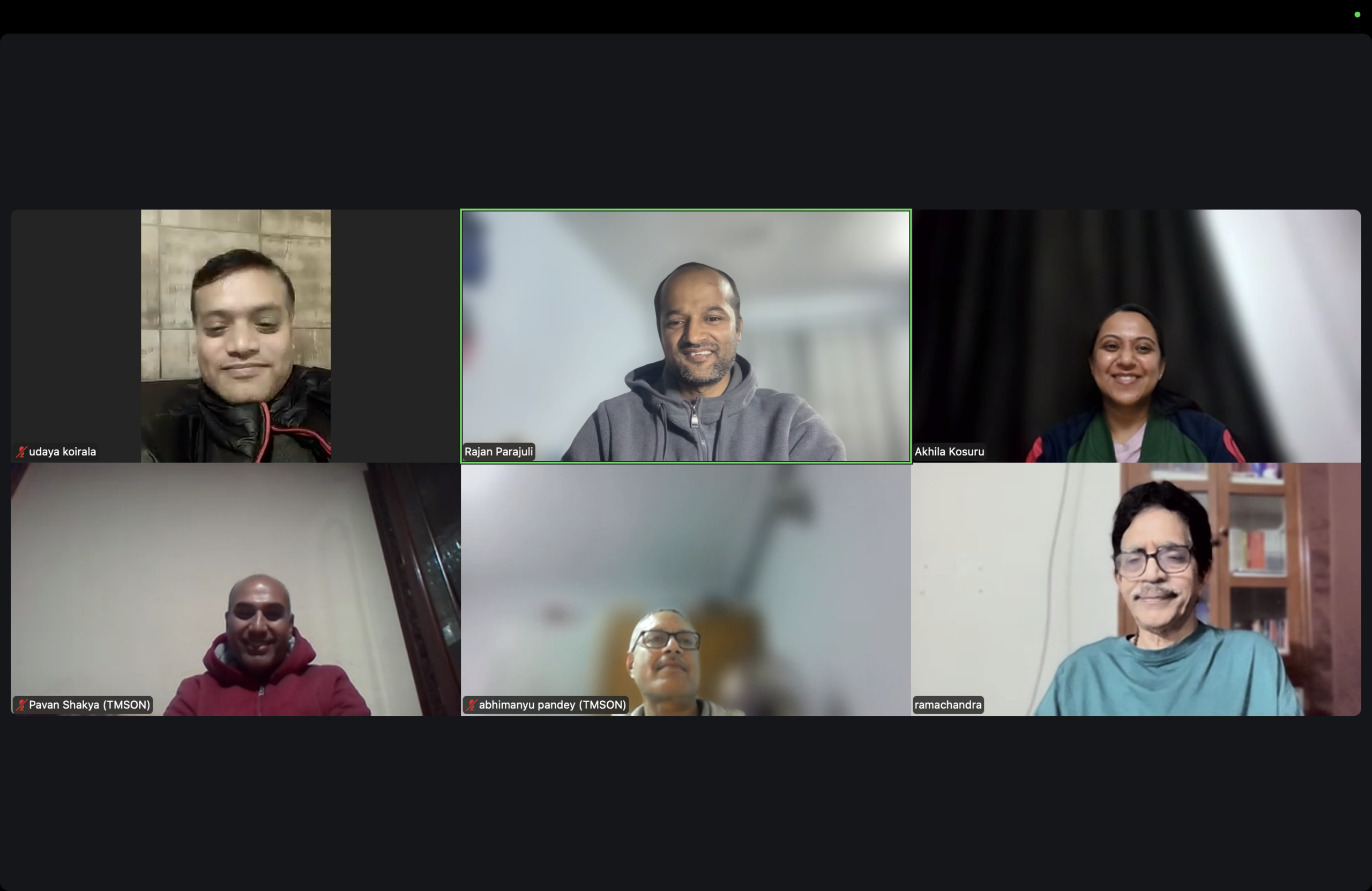
The Telemedicine Society of Nepal held discussions with representatives of the Telemedicine Society of India (TSI), Telangana Chapter, to strengthen collaboration and jointly leverage the benefits of telemedicine, including a formal invitation to participate in the upcoming 4th National Telemedicine Conference and 1st National Digital Health Conference, to be held in Kathmandu from 23-24 January 2026.
Representing TSI were Dr. Akhila Kosuru, Secretary of the Telangana Chapter, and S. Ramachandra Vishnubhatta, Vice President of the Telangana Chapter. The dialogue centered on sharing experiences in telemedicine practice, service delivery models, and the role of professional societies in promoting telemedicine adoption and enhancing the quality of care.
From the TMSoN side, the discussions were attended by Dr. Rajan Parajuli, General Secretary; Pavan Shakya, Vice Chairperson; Abhimanyu Pandey, Adviser; and Sanjay Poudel, Member.
Both teams emphasized the importance of bilateral collaboration to strengthen telemedicine services, enhance professional exchange, and improve access to healthcare through remote care models, particularly in resource-constrained settings.
On behalf of TMSoN, Dr. UdayaKoirala, Chairperson of TMSoN, formally invited the Indian counterparts to actively engage in the forthcoming conference. The dialogue concluded with a shared commitment to continue engagement and explore practical avenues for collaboration between the two societies in advancing telemedicine.
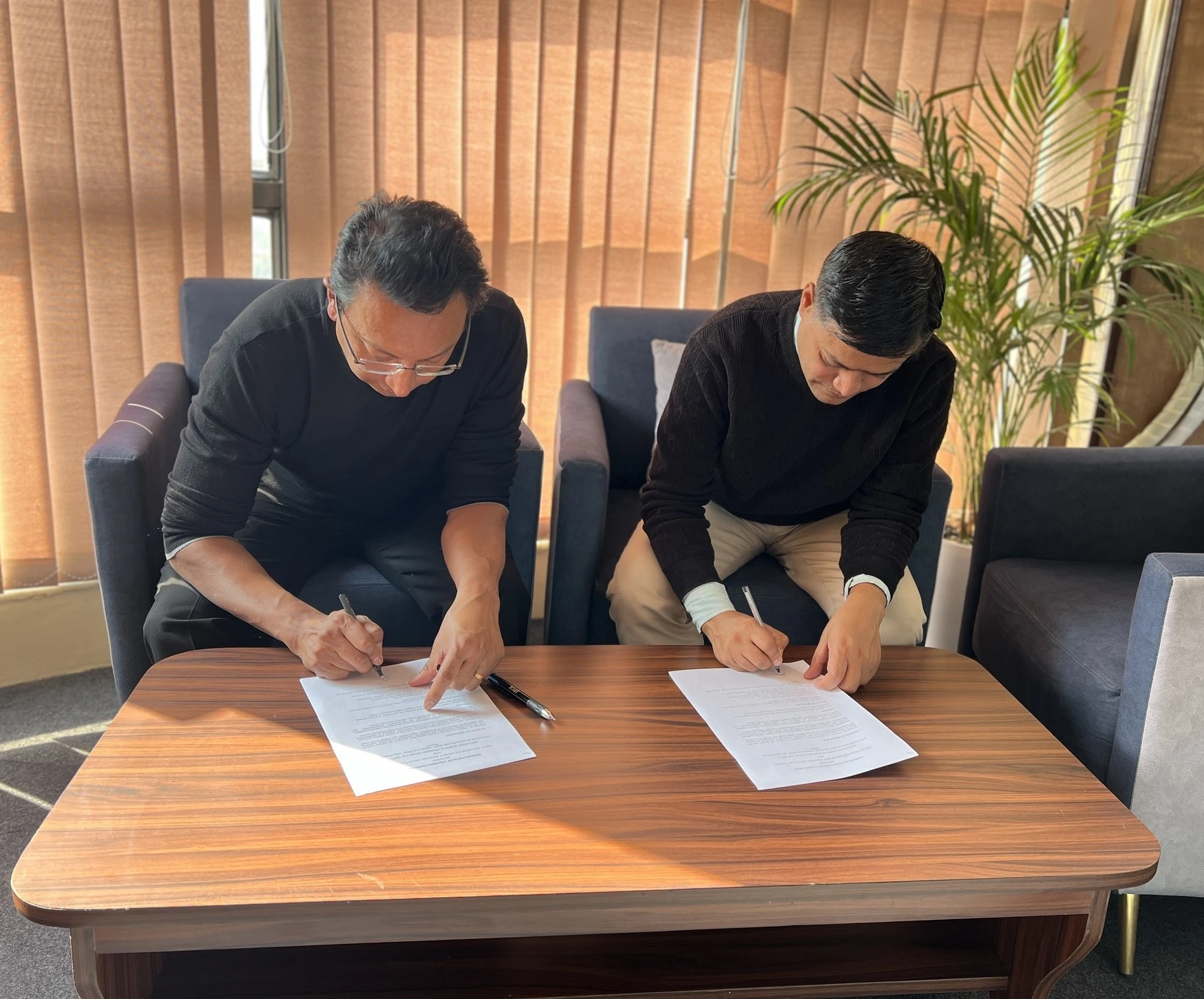
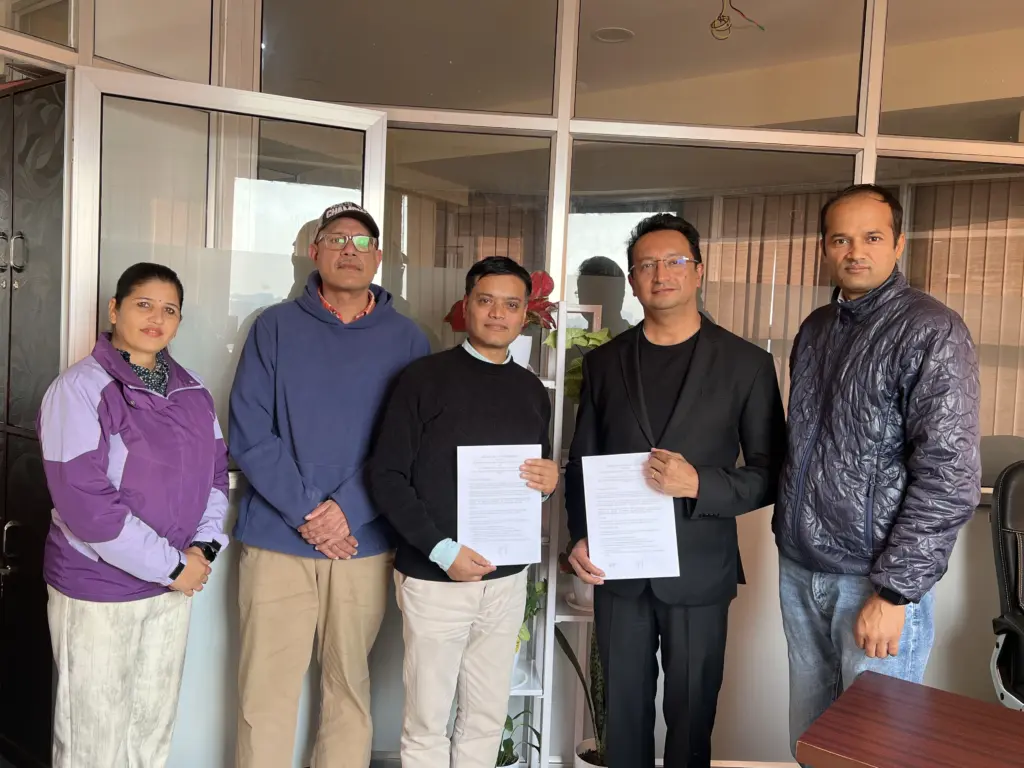
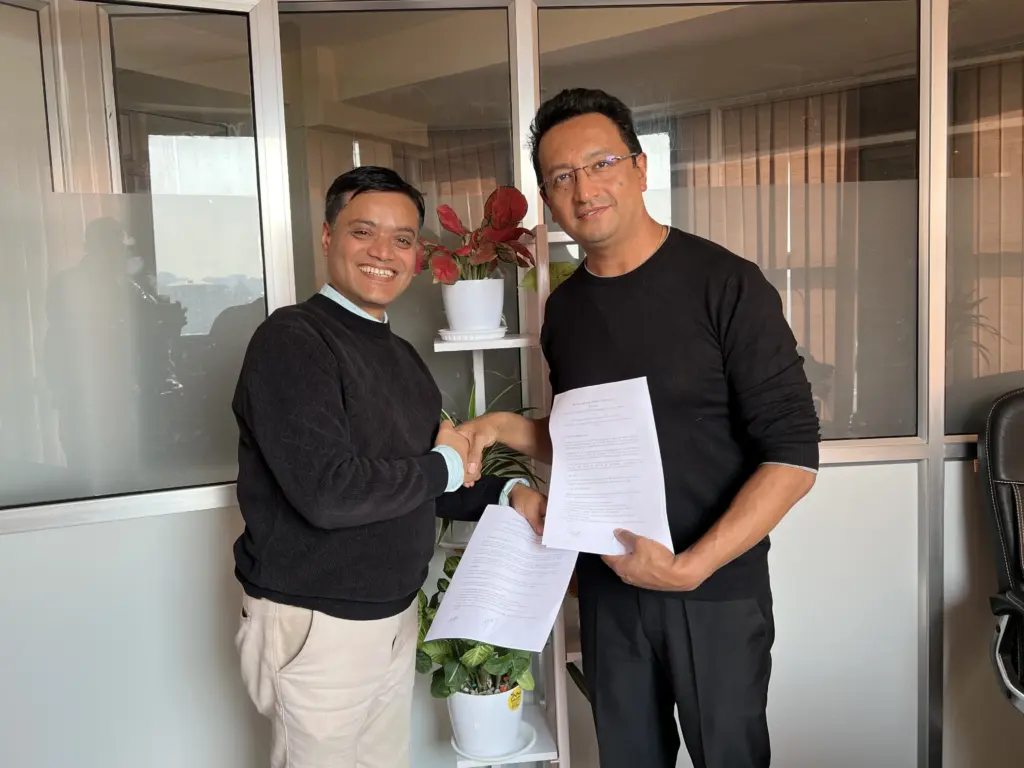
Nepal Telemedicine Society (TMSoN) and Dhulikhel Hospital (DH) signed a Memorandum of Understanding (MoU) today, marking an important step toward strengthening the country’s telemedicine and digital health ecosystem through joint collaboration.
This partnership brings together TMSoN’s national leadership in telemedicine and digital health with Dhulikhel Hospital’s strong clinical, academic, and community outreach strengths. Together, the two institutions will work to better connect the dots and further strengthen Nepal’s digital health ecosystem. TMSoN will provide technical expertise to help consolidate and harmonize Dhulikhel Hospital’s telemedicine and digital health activities, ensuring greater coherence and impact.
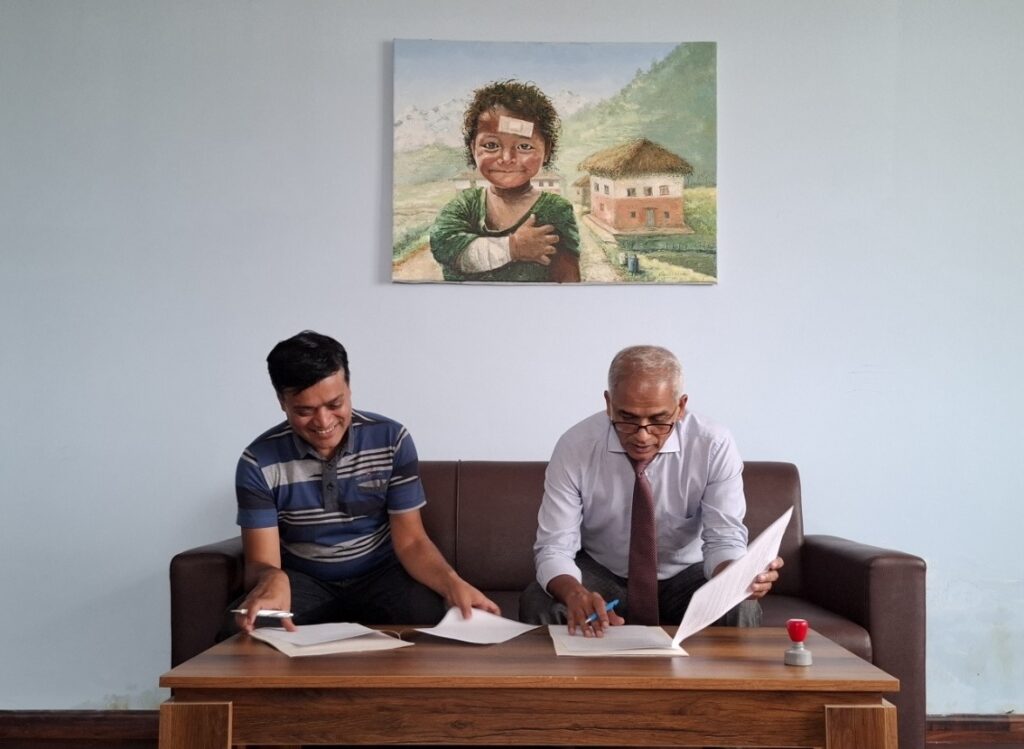
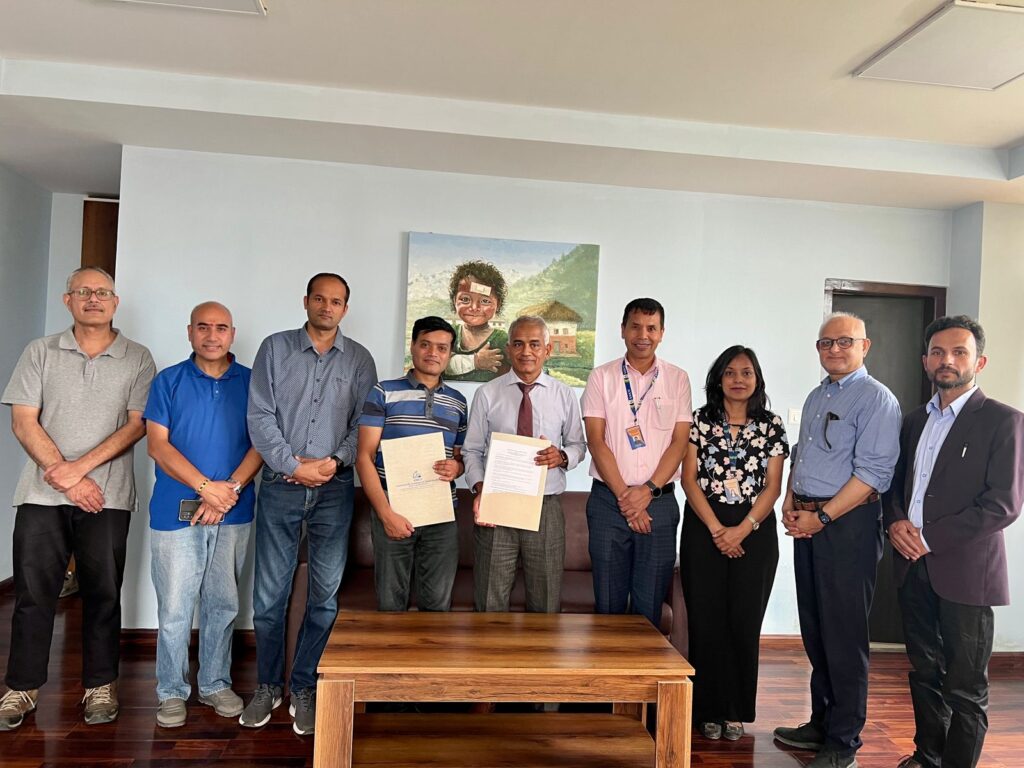
The MoU was signed by Dr. Udaya Koirala, Chairperson of TMSoN, and Dr. Biraj Man Karmacharya, Administrative Director of Dhulikhel Hospital. The signing was witnessed by Dr. Rajan Parajuli, General Secretary of TMSoN, and Mr. Abhimanyu Pandey, Advisor to TMSoN.
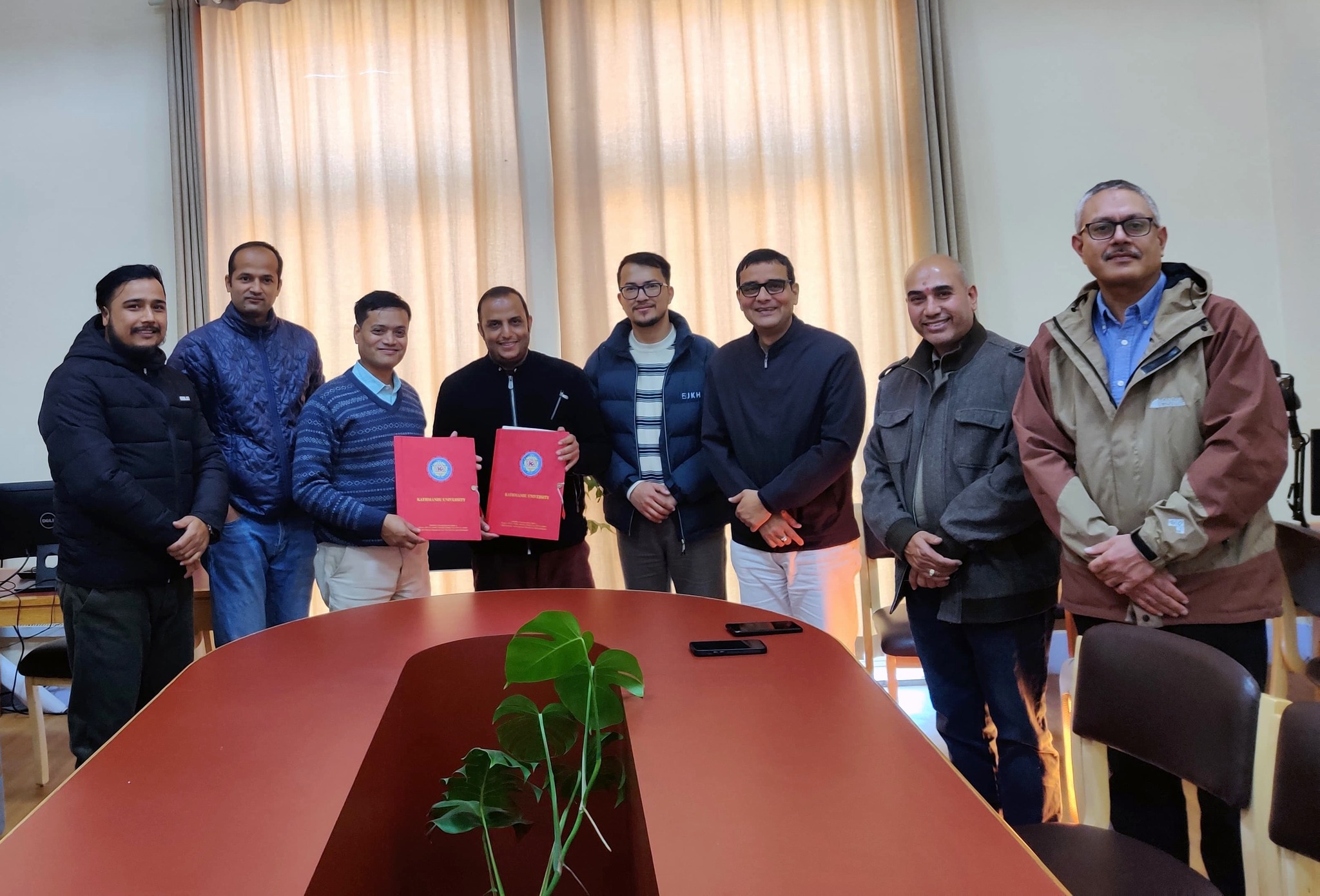
The Telemedicine Society of Nepal (TMSoN) and the Department of Health Informatics (DoHI) at Kathmandu University formalized a significant partnership today by signing a Memorandum of Understanding (MoU) aimed at strengthening Nepal’s digital health ecosystem through education, research, and innovation.
The MoU was signed by Dr. Udaya Koirala, Chairperson of TMSoN, and Mr. Santosh Khanal, Head of the Department of Health Informatics at Kathmandu University. The signing ceremony was witnessed by Dr. Rajan Parajuli and Mr. Dipesh Khadka, marking an important milestone in advancing collaborative efforts in telemedicine and health informatics in Nepal.
Under this new partnership, both institutions commit to working together to enhance curriculum development, promote emerging health technologies, and jointly support research that can contribute to the strengthening of healthcare delivery across the country. The collaboration also includes offering mentorship, facilitating internships, supporting digital health startups, and organizing seminars, workshops, and training programs to build capacity among students and professionals.
The MoU, effective for five years, reflects a shared commitment to advancing Nepal’s digital health landscape through academic excellence, innovation, and practical implementation.
Speaking at the event, representatives from both sides emphasized the growing importance of telemedicine and digital health solutions in improving access to quality healthcare, especially in remote and underserved areas of Nepal. The partnership aims to cultivate a new generation of skilled professionals capable of leveraging technology to address health system challenges.
This collaboration is expected to play a transformative role in fostering health informatics education, nurturing innovation, and strengthening Nepal’s digital health infrastructure for years to come.
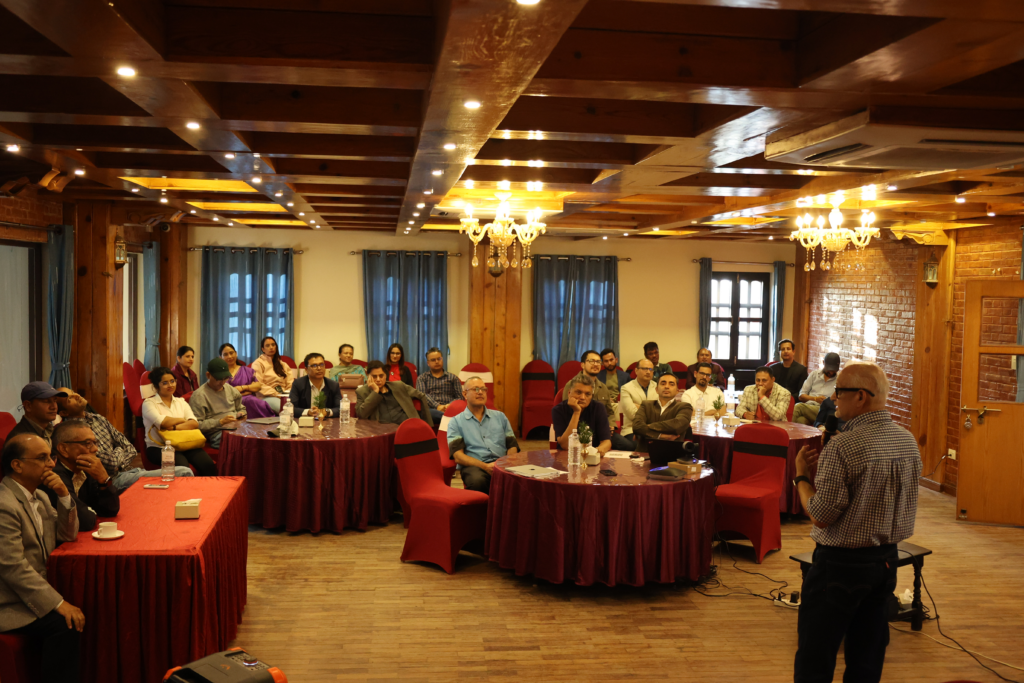
The Telemedicine Society of Nepal (TMSoN) successfully held its 13th Annual General Meeting (AGM) on 15 September 2025 at Hotel City Gaon, Bachamari, Jagati, Bhaktapur.
The meeting opened with welcome remarks from Chairperson Dr. Udaya Koirala, who extended warm greetings to all members and guests. In his address, Dr. Koirala reflected on TMSoN’s milestones over the past year and emphasized the Society’s continued commitment to expanding telemedicine and digital health services across Nepal.
The AGM was attended by 40 participants, including special guests, founding and executive committee members, general members, and staff. Mr. Pavan Singh Shakya, Vice Chairperson, served as the Master of Ceremonies for the program.
During the first session, Dr. Rajan Parajuli, General Secretary, presented the Annual Progress Report, outlining TMSoN’s major activities and achievements over the past year. He highlighted TMSoN’s key policy contribution to the drafting of the Integrated Electronic Medical Record (EMR) System Operation and Management Directive 2081, developed in close collaboration with the Curative Service Division, Department of Health Services. The directive introduces significant provisions for integrating EMR and telemedicine services nationwide.
Dr. Parajuli also shared updates on TMSoN’s field-level telemedicine initiatives, including ongoing support for telemedicine operations in Uttargaya Rural Municipality in partnership with Kathmandu Model Hospital, which has provided specialist care to more than 1,200 patients and successfully managed several acute cases remotely. He further noted the expansion of telemedicine to Dolpa District through a tripartite agreement among Dolpo Buddha Rural Municipality, TMSoN, and Vision Dolpa, connecting two remote health posts via digital health services.
Institutionally, TMSoN has strengthened partnerships with leading healthcare organizations, including the Kathmandu Institute of Child Health (KIOCH)—where TMSoN will serve as the national Telemedicine and Digital Health Partner—and a tripartite agreement with Keystone Hospital, Sindhupalchok, and Dr. Iwamura Memorial Hospital for telemedicine activities.
Dr. Parajuli also reported membership growth, noting 23 new individual members (12 from the health sector and 11 from technical backgrounds), bringing total general membership to 39. Two new institutional members—ICT4D and B.P. Eye Foundation—joined TMSoN, while Mavorion Systems is being granted affiliate membership.
He concluded by sharing the Society’s plans for the coming fiscal year (2082/83), including expanding telemedicine services across urban and rural regions, launching collaborative research on telemedicine effectiveness with NHRC and Kathmandu University, developing an online learning platform on telemedicine and digital health, organizing the 4th National Telemedicine Conference (Magh 9–10, 2082 / 23–24 January 2026), and contributing to the establishment of a Digital Health Resource Centre in coordination with the government and stakeholders.
Likewise, Ms. Gyanu Maharjan, Acting Treasurer (Kayam Mukayam), presented the Annual Financial Report, summarizing TMSoN’s financial performance and stability. Members acknowledged the importance of expanding the Society’s activities to further strengthen its financial sustainability and long-term growth.
After the regular annual meeting agendas, and a before a brainstorming session, Dr. Sanjeev Upreti, a general member, delivered an insightful presentation on the role of AI in telemedicine and digital health practices.
A brainstorming session was organized as an open discussion for strengthening TMSoN’s activities and future directions. Members shared their views on achievements, challenges, and strategies for improving TMSoN’s impact and outreach.
The meeting concluded on a high note, with renewed enthusiasm to advance TMSoN’s mission. TMSoN extends sincere thanks to all guests and members for their active participation and continued support.
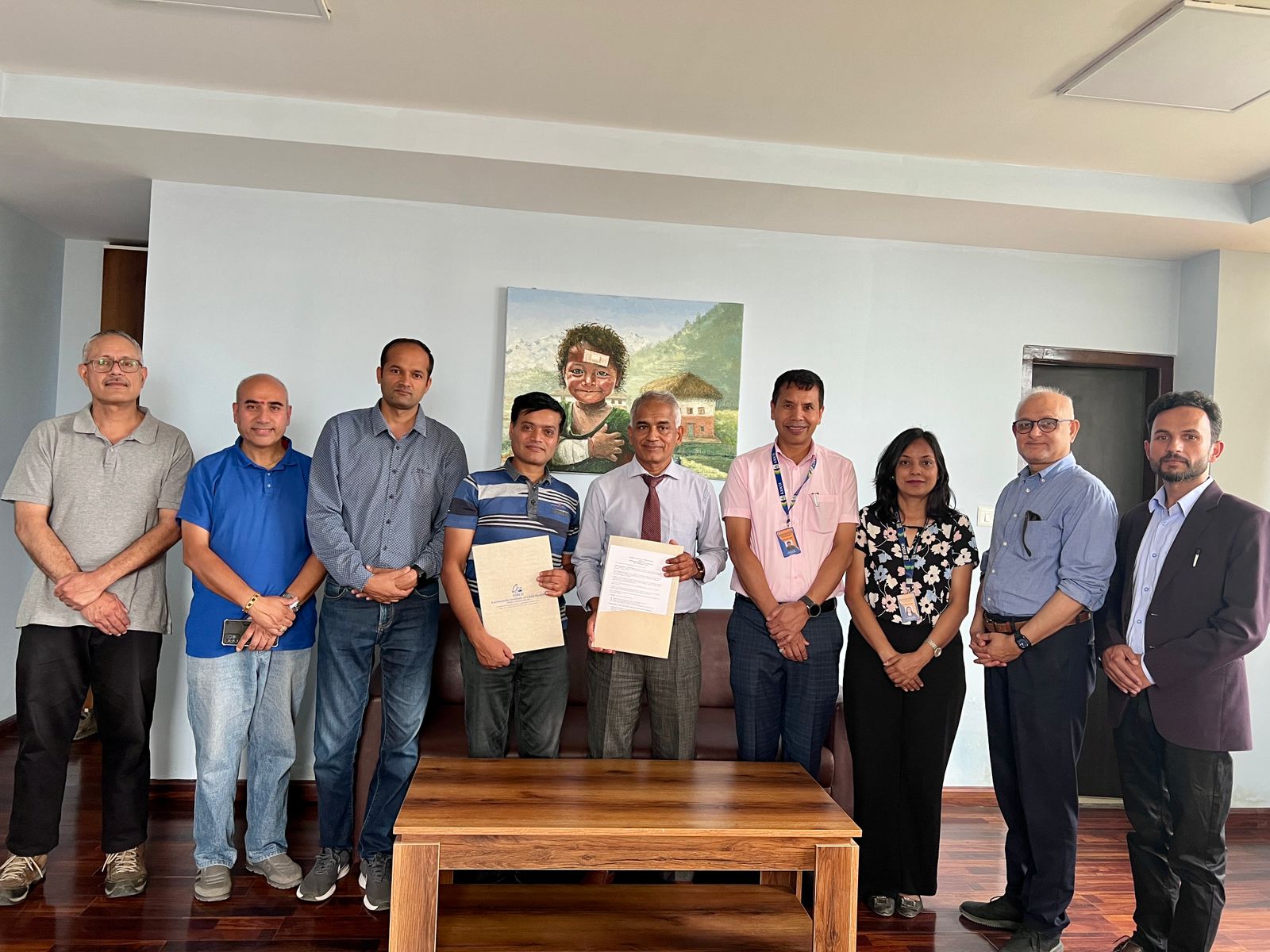
The Telemedicine Society of Nepal (TMSoN) and the Kathmandu Institute of Child Health (KIOCH) have signed a Memorandum of Understanding (MoU) to strengthen collaboration in telemedicine and digital health, with a specific focus on improving child healthcare services in Nepal.
The MoU was signed by Dr. Udaya Koirala, Chairperson of TMSoN, and Dr. Bhagwan Koirala, Chairperson of KIOCH, in the presence of representatives from both organizations at KIOCH.
Under this partnership, TMSoN and KIOCH will collaborate in several key areas, including the establishment of a National Telemedicine Centre for Child Health at KIOCH, the promotion of telemedicine services and digital health innovation, joint advocacy on telemedicine and digital health policies, and the implementation of capacity-building and research initiatives.
This strategic partnership brings together KIOCH’s mission to improve child health services with TMSoN’s expertise in telemedicine and digital health. By leveraging digital health technologies, the collaboration aims to expand access to quality child healthcare services and strengthen Nepal’s child health ecosystem through innovative, technology-enabled solutions.
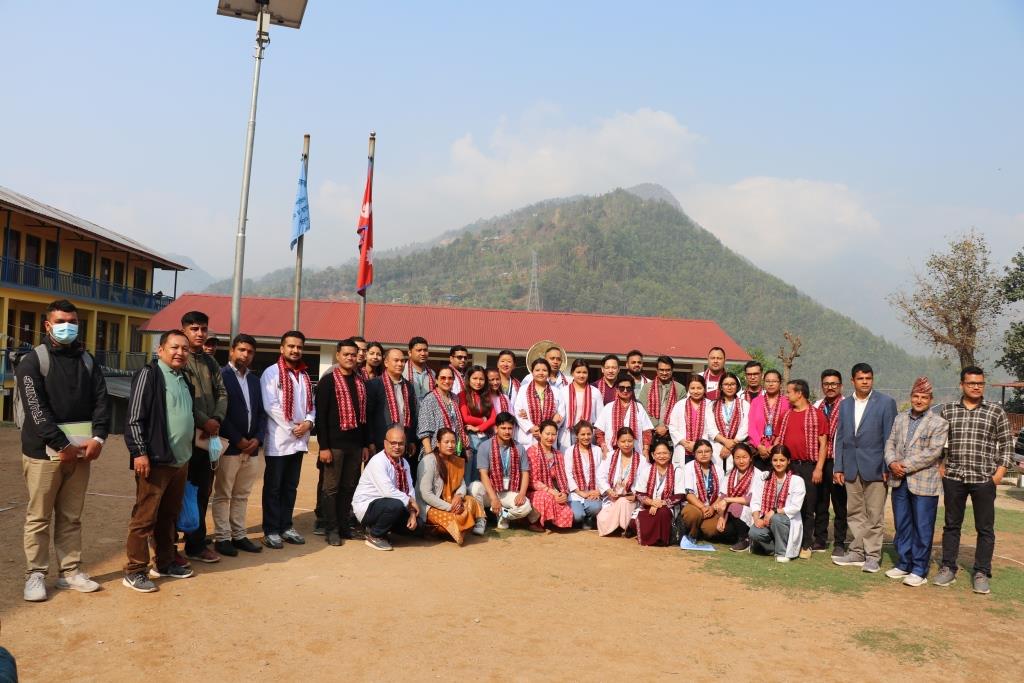
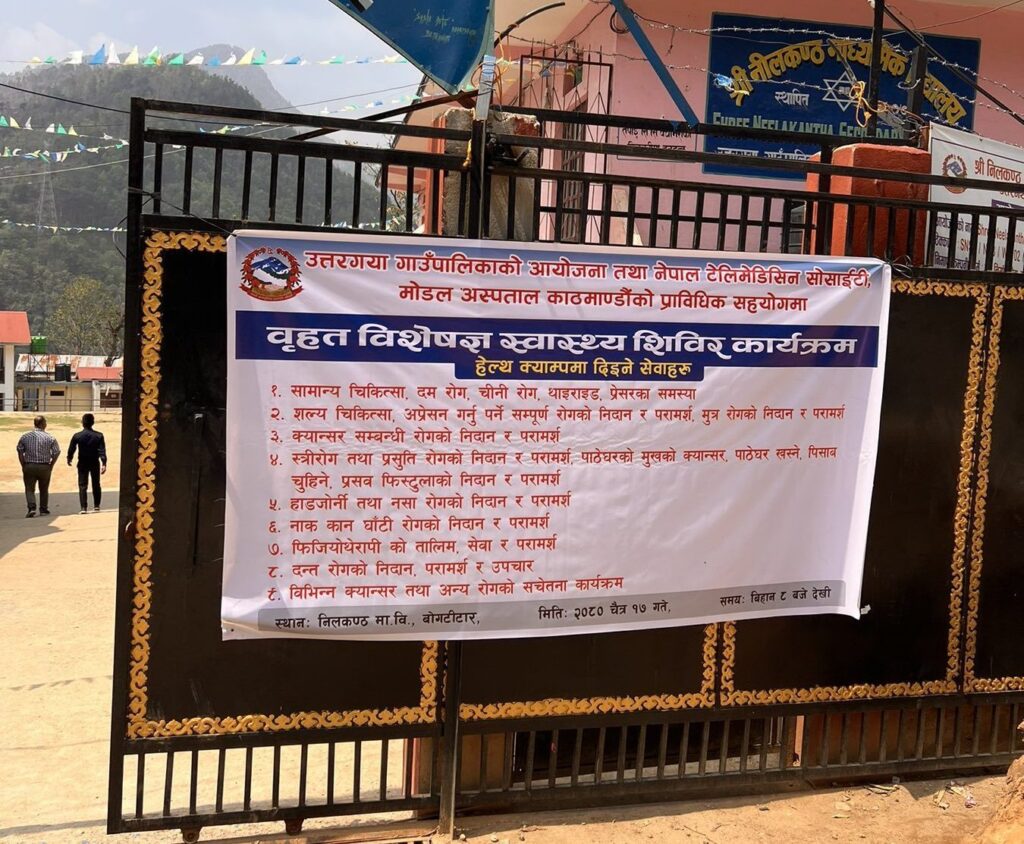
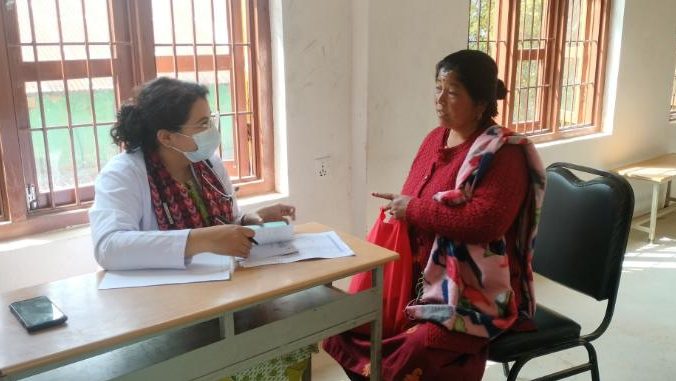
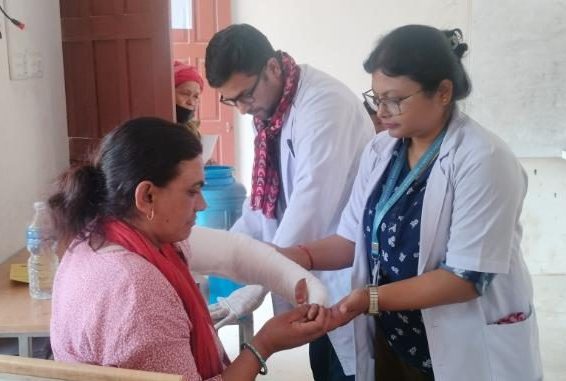
As a joint activity of Kathmandu Model Hospital and Nepal Telemedicine Society, daily telemedicine support is being provided for the health posts of Ward no 2 and 4 services at Uttargaya Rural Municipality. To complement this initiative, a one-day health camp was organized on Saturday, Chaitra 17, 2080.
Over 300 individuals from across the Rural Municipality benefited from the health camp, which focused on various health issues, including Obstetrics and Gynecology, Dental care, Orthopedics, General Medicine, ENT, and Physiotherapy. Additionally, a cancer awareness program highlighting the importance of early detection was conducted. More than 30 medical professionals from Kathmandu Model Hospital, including doctors and nurses, were presented at Shree Neelakantha Secondary School, Bogatitar in Uttargaya Rural Municipality for the health camp.
With the significant local-level participation in the health camp and the successful resolution of various medical issues by the dedicated medical team, the integration of telemedicine along with regular health camps might be an effective strategy for delivering healthcare in rural areas. This approach not only enhances the efficiency of remote healthcare services but also facilitates greater access to specialized care in rural Nepal.
TMSoN expresses heartfelt appreciation to all healthcare seekers, organizers, and volunteers for their invaluable contributions to the success of this health camp.
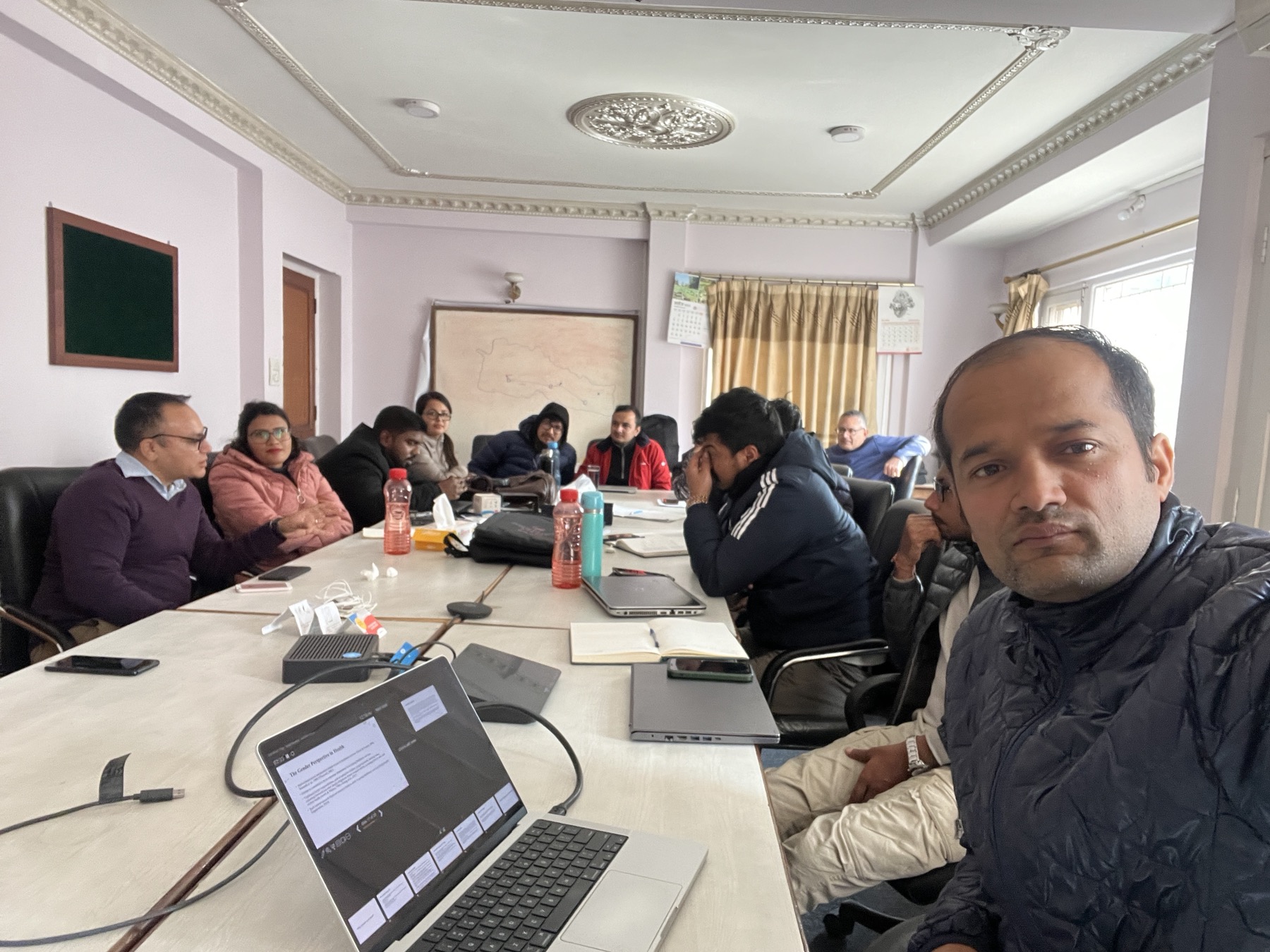
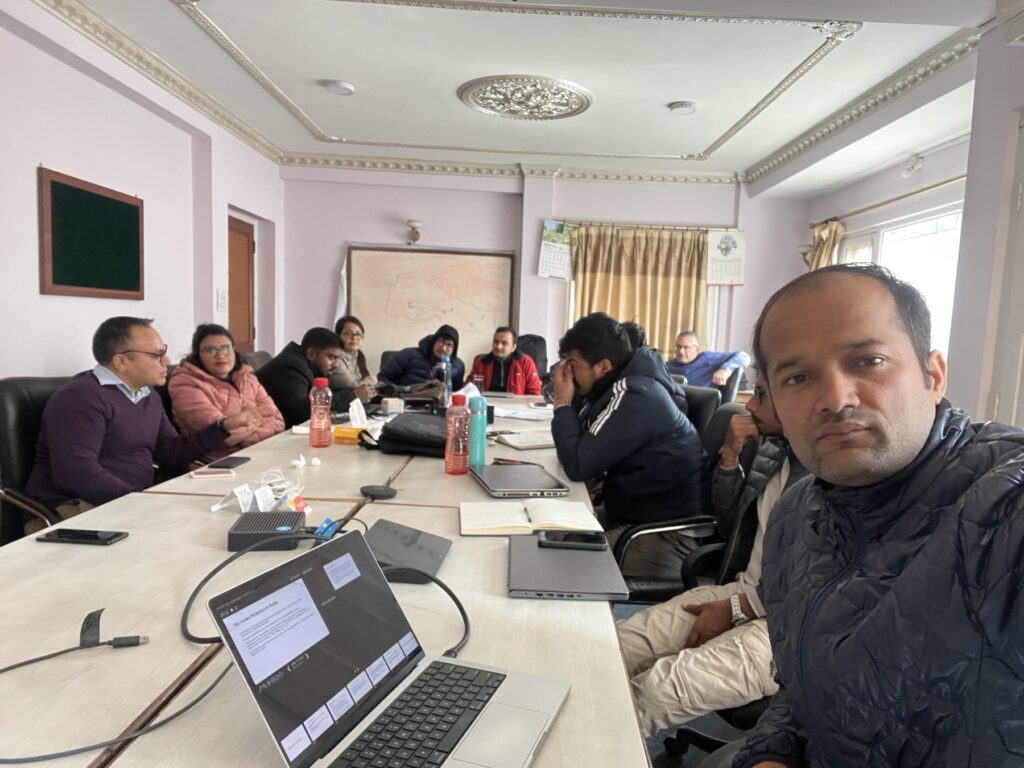
The Telemedicine Society of Nepal (TMSoN) shared its experience and practical insights with students from the Department of Health Informatics, Kathmandu University (KU), as part of its ongoing support for the implementation of a telemedicine course under KU’s Master’s program in Health Informatics.
Demonstrating its commitment to academic collaboration and capacity building, TMSoN welcomed the inaugural batch of Health Informatics students to its office, co-located with the National Research and Education Network (NREN). The day-long interaction provided students with first-hand exposure to real-world telemedicine practice and digital health implementation.
During the program, Dr. Rajan Parajuli, General Secretary of TMSoN and Executive Director of NREN, delivered a session focusing on the intersection of gender, technology, and health. His presentation emphasized the importance of addressing social, cultural, and human dimensions when designing and delivering telemedicine and digital health services, highlighting equity and inclusiveness as critical considerations.
The program also featured a hands-on session on telemedicine peripheral devices, facilitated by Mr. Abhimanyu Pandey, allowing students to gain practical exposure to tools commonly used in telemedicine service delivery.
Additionally, Dr. Udaya Koirala, Chairperson of the Telemedicine Society, facilitated a session on the complexities of telemedicine service delivery, outlining the interconnected clinical, technical, organizational, and policy factors required for successful telemedicine implementation.
This collaborative engagement between TMSoN, Kathmandu University, and NREN reflects a shared commitment to nurturing a well-rounded and informed generation of health informatics professionals, equipped to contribute effectively to the evolving landscape of telemedicine and digital health in Nepal.
In a significant step toward strengthening Nepal’s digital health agenda, the Ministry of Health and Population (MoHP) has invited the Telemedicine Society of Nepal (TMSoN) to serve as a member of the Technical Working Committee mandated to guide and advance digital health efforts within the ministry.
The Telemedicine Society has nominated Mr. Pavan Singh Shakya, Vice Chairperson of TMSoN, to represent the society on the committee. His participation will contribute technical expertise and practical insights drawn from TMSoN’s long-standing engagement in telemedicine and digital health initiatives in Nepal.
We express our sincere appreciation to the Ministry of Health and Population for this invitation, viewing it as recognition of the society’s continued commitment to supporting innovation, evidence-based practice, and policy development in healthcare technology. The society is optimistic that the formation of this Technical Working Committee will further strengthen national digital health initiatives and foster coordinated, strategic progress in the sector.
TMSoN looks forward to contributing actively to the committee’s work and to supporting the ministry in shaping a robust, inclusive, and sustainable digital health ecosystem for Nepal.
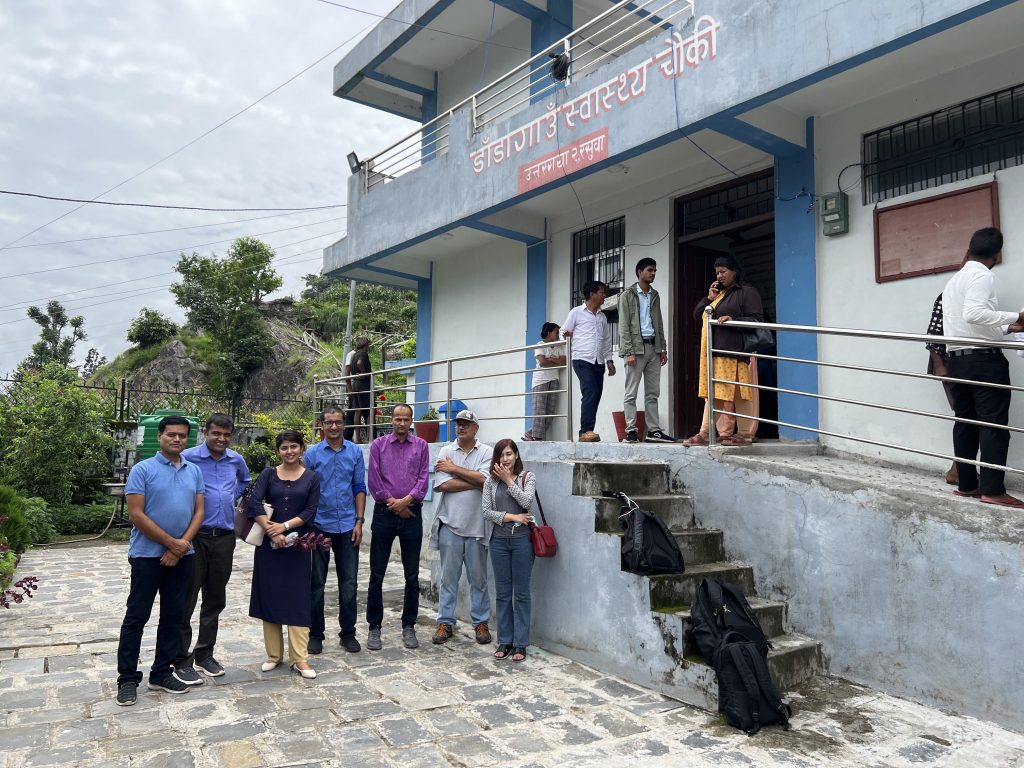
With the invaluable support from the Nepal Telemedicine Society, telemedicine services have been launched for the residents of Ward No. 2 and 4 in Uttargaya Municipality, Rasuwa District.
Key Highlights:
Partnership with Nepal Telemedicine Society: The initiative has been made possible through a collaborative effort between the Uttargaya Municipality and the Nepal Telemedicine Society. This partnership aims to bring advanced medical services closer to the people, especially those residing in remote areas.
Widespread Access: Local health personnel and residents of Ward No. 2 and 4 can now benefit from remote consultations with doctors at the renowned Kathmandu Model Hospital. This technological leap is poised to revolutionize healthcare delivery, ensuring that even the most remote communities have access to expert medical advice.
Connecting Rural Communities with Specialists: The telemedicine services will serve as a crucial bridge, connecting local people in Uttargaya Municipality with specialist doctors in Kathmandu Model Hospital. This means that individuals can receive consultation and advice from specialized medical professionals without the need for arduous travel.
How It Works:
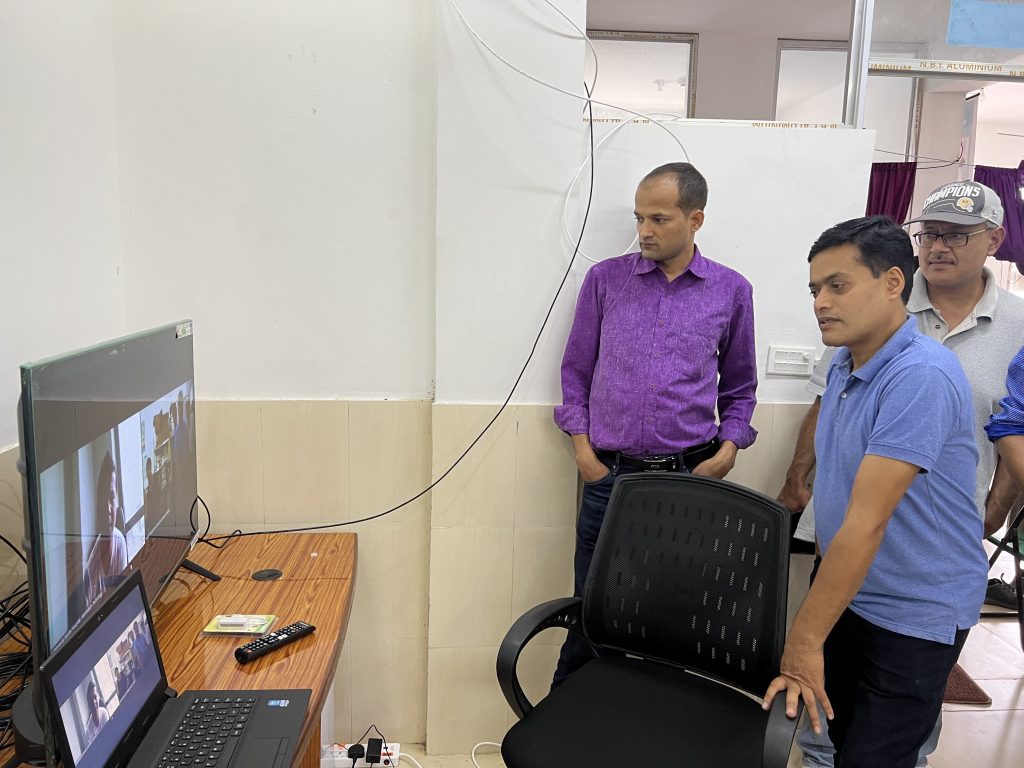
The telemedicine services operate through a secure and user-friendly platform. Local health personnel will facilitate remote consultations between residents and doctors from Kathmandu Model Hospital. This innovative approach not only minimizes the need for travel but also ensures swift and efficient healthcare delivery.
Benefits for the Community:
Timely Medical Advice: Residents can now receive timely medical advice without the delays associated with travel.
Reduced Healthcare Costs: Telemedicine services can contribute to cost savings for individuals who would otherwise incur expenses related to travel and accommodation.
Access to Specialists: The initiative provides access to a wide array of specialists, ensuring that residents receive the best possible medical care.
Future Plans:
The successful launch of telemedicine services in Ward No. 2 and 4 is a stepping stone for broader implementation in the municipality. The Uttargaya Municipality is committed to expanding these services to additional wards, further enhancing healthcare accessibility for all.
TMSON actively contributed to the organization of Nepal’s inaugural National Digital Health Day, organized by the Ministry of Health and Population on the 4th of Mangshir, 2080. Dr. Udaya Koirala, TMSON’s chairperson, participated in a panel discussion titled “Digital Health: An Imperative for UHC and Digital Health.”
Dr. Koirala brought insightful perspectives to the forefront, emphasizing the critical importance of digital health documentation in the context of current telemedicine practices. He urged the ministry to highlight the interconnectedness of digitalization and digital health, stressing the need for comprehensive capacity building among medical professionals for the successful implementation of telemedicine services. Notably, TMSON expressed readiness to support the government in providing necessary training.
Furthermore, Dr. Koirala emphasized the imperative of extending telemedicine services to urban areas. He urged the government to address essential policy considerations for successful implementation, particularly focusing on health insurance and reimbursement issues.